 ZenScapes Inc
Dry-stacked stone walls
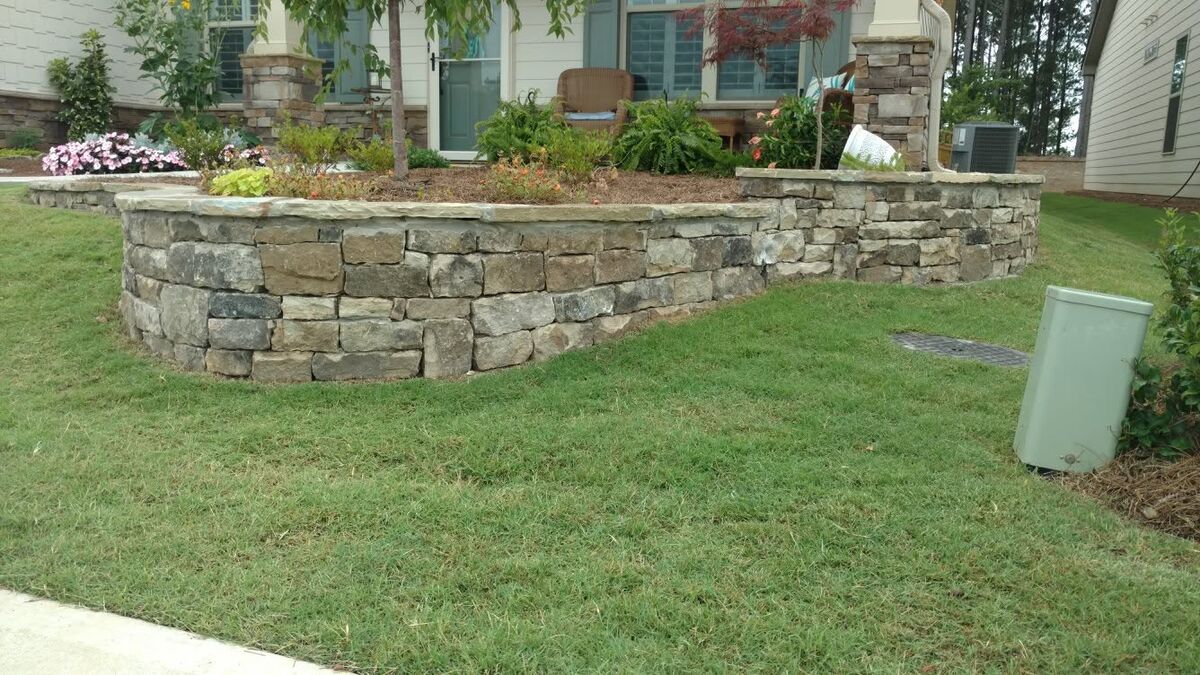
A dry-stacked wall is laid with no mortar. Each stone is chosen and fitted so the wall holds together by weight and friction. Built well, it can stand for generations.
Where they’re used
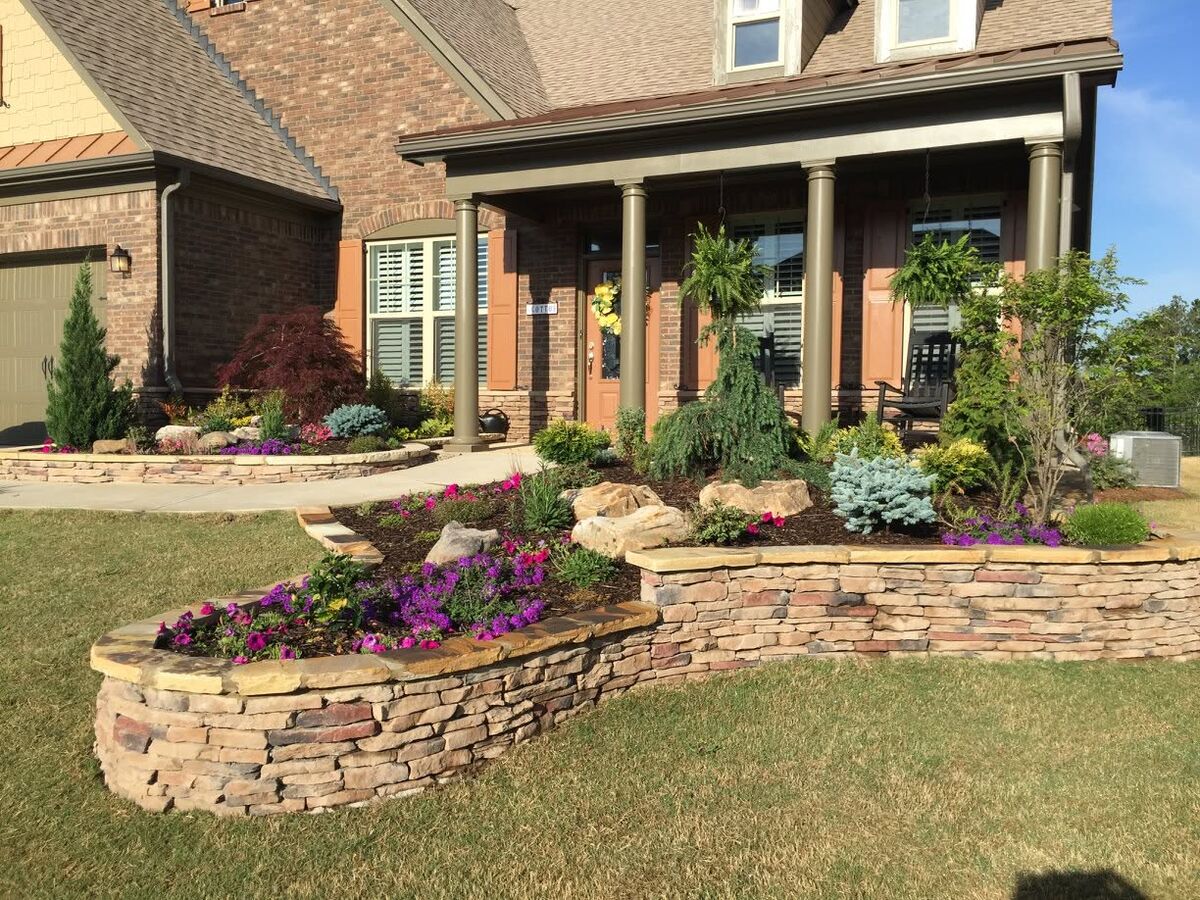
- Planter walls around a front bed or along a walk.
- Seat walls at the edge of a patio.
- Garden walls that mark an edge with level ground on both sides.
- Low retaining walls that hold back a bank.
Around here the stone is usually fieldstone, which the yards sort into thin, medium and thick pieces. The stone guide has the sizes.
What makes one sound
The work that keeps a dry-stacked wall standing is mostly out of sight.
- A base. The wall sits on compacted crushed stone in a trench, and the first row of stone is set below the lawn so it can’t slide.
- Lean. The face tips back into the hill as it rises. Wallers call this batter. The Stone Trust gives the typical range as one inch of lean for every six to ten inches of height.
- Crossed joints. Each stone sits across the joint between the two below it, the way bricks do, so no crack can run up the wall.
- Packing. Small stones are packed tight behind the face so the big ones can’t shift. The trade word is hearting.
- Stones that reach back. Long stones are laid front to back at intervals to tie the face into the wall.
- A cap. Wide, flat stones along the top lock the last row and shed water.
- Drain stone behind. Clean gravel behind a retaining wall lets water drop instead of pushing on the stone.
How high one can go
The stone doesn’t set the limit. The proportions do. A dry-stacked retaining wall has to get thicker as it gets taller. A long-standing British dry-stone handbook gives a base about a foot and a half thick for a three-foot wall, and two feet thick where the bank behind it is wet clay.
So a tall bank is usually handled in one of two ways: two or more shorter walls stepped up the slope, called tiers, or a wall of boulders.
Dry-stacked or mortared
| Compare | Dry-stacked | Mortared |
|---|---|---|
| Water | Passes through the joints. | Is trapped unless drains are built in. |
| Movement | Can settle slightly without harm. | Rigid, so movement shows up as cracks. |
| Base | Compacted crushed stone. | A poured concrete footing. |
| Repair | A section can be taken down and relaid with the same stone. | Cracked sections are cut out and rebuilt. |
How long one lasts
The Stone Trust, which trains and certifies dry-stone wallers, says 100 to 200 years is common for a well-built dry stone wall. Stone doesn’t rot. When a wall fails, the cause is nearly always the base or the drainage.
Sources: The Stone Trust, in Masonry Magazine; The Conservation Volunteers, Dry Stone Walling handbook.
More guides
- Stone names and sizesFieldstone, flagstone, boulders, river rock and base stone: what the yard names mean and the sizes each comes in.
- Plain-English glossaryBatter, course, crusher run, swale, surcharge and forty more trade words, explained in a sentence or two.
- Plants beside stoneSmall trees, shrubs and ground covers for North Georgia, with size, sun, soil and deer notes for each.